
Cat:Tank FRP
I serbatoi di filtro di ammorbidimento FRP (plastica rinforzata in fibra di vetro) si distinguono per la loro adattabilità e sono disponibili in un...
Vedi i dettagliService hotline: +86-13396595772


I sistemi idrici industriali sono la spina dorsale di molti processi produttivi e di trattamento. Che vengano utilizzati per lo stoccaggio dell'acqua, il trattamento chimico, il supporto alla filtrazione o la gestione delle acque reflue, le prestazioni di questi sistemi dipendono fortemente dall'affidabilità dell'infrastruttura di stoccaggio. I materiali tradizionali spesso devono affrontare sfide quali corrosione, affaticamento strutturale e richieste di manutenzione che aumentano gradualmente i costi operativi.
An Serbatoio in PRFV è diventata una soluzione pratica per i moderni sistemi idrici industriali perché combina robustezza strutturale con un'eccezionale resistenza alla corrosione. Realizzati in plastica rinforzata con fibra di vetro, questi serbatoi sono progettati per funzionare in condizioni ambientali e chimiche impegnative richiedendo una manutenzione minima.
Se il tuo sistema idrico industriale fa ancora affidamento su materiali di stoccaggio obsoleti, il passaggio a un serbatoio in FRP può offrire vantaggi misurabili a lungo termine. Di seguito sono riportati sette motivi fondamentali per cui questo aggiornamento ha un senso strategico.
I sistemi idrici industriali incontrano spesso condizioni aggressive. L'esposizione all'umidità, alle sostanze chimiche disciolte, alle sostanze acide e alle temperature fluttuanti può accelerare la corrosione nei serbatoi metallici convenzionali.
Un serbatoio in FRP è intrinsecamente resistente alla corrosione perché la plastica rinforzata con fibra di vetro non si ossida né arrugginisce. Questa proprietà lo rende particolarmente adatto per:
A differenza dei materiali tradizionali che richiedono rivestimenti protettivi, un serbatoio in FRP mantiene l'integrità strutturale senza frequenti trattamenti superficiali.
| Caratteristica | Tradizionale serbatoio in metallo | Serbatoio in FRP |
|---|---|---|
| Resistenza alla ruggine | Limitato | Eccellente |
| Stabilità chimica | Moderato | Alto |
| Manutenzione della superficie | Frequente | Minimo |
| Affidabilità nel corso della vita | Variabile | Coerente |
Questa resistenza riduce direttamente i tempi di inattività e la frequenza di sostituzione.
Il peso gioca un ruolo importante durante il trasporto e l'installazione. I carri armati pesanti spesso richiedono fondazioni rinforzate, gru e procedure di installazione estese.
Un serbatoio in FRP è significativamente più leggero di molte alternative convenzionali pur mantenendo un'elevata resistenza meccanica. Ciò fornisce diversi vantaggi operativi:
Il design leggero è particolarmente utile per le strutture con accesso limitato all'installazione o requisiti di posizionamento elevati.
Questa flessibilità consente ai sistemi idrici industriali di espandersi o ammodernarsi senza importanti modifiche strutturali.
Gli ambienti industriali sottopongono le apparecchiature di stoccaggio a uno stress costante. La variazione di pressione, le vibrazioni, gli sbalzi termici e l'esposizione ambientale possono indebolire nel tempo i materiali standard dei serbatoi.
Un serbatoio in FRP offre elevata resistenza alla trazione e stabilità dimensionale grazie alla sua struttura composita. Il rinforzo in fibra di vetro distribuisce le sollecitazioni in modo efficiente sul corpo del serbatoio, aiutandolo a resistere a crepe e deformazioni.
I principali vantaggi in termini di durabilità includono:
Queste proprietà rendono un serbatoio in FRP ideale per sistemi idrici a servizio continuo in cui l'affidabilità è fondamentale.
Le interruzioni dovute alla manutenzione possono influire sull’efficienza della produzione e aumentare le spese operative. I carri armati tradizionali spesso richiedono:
Un serbatoio in FRP riduce drasticamente queste attività di manutenzione.
La sua superficie non corrosiva non richiede rivestimenti ripetuti e il materiale composito resiste al ridimensionamento e al degrado. Ciò significa che i team di manutenzione possono concentrarsi su un’ottimizzazione più ampia del sistema piuttosto che su lavori ripetitivi di riparazione dei serbatoi.
Nel tempo, la ridotta manutenzione contribuisce a:
Per le strutture che cercano efficienza a lungo termine, questo vantaggio è sostanziale.
I processi di trattamento delle acque industriali spesso comportano l’esposizione a sostanze chimiche, inclusi disinfettanti, agenti di filtrazione, acidi e alcali.
La compatibilità dei materiali influisce direttamente sulla sicurezza e sulla durata. Un serbatoio in FRP funziona eccezionalmente bene in un'ampia gamma di ambienti chimici grazie alle formulazioni di resina personalizzabili.
Ciò consente ai progettisti del sistema di abbinare la composizione del serbatoio ai requisiti specifici dell'applicazione.
Le applicazioni comuni includono:
La capacità di adattare un serbatoio in FRP a condizioni chimiche uniche migliora la sicurezza operativa e riduce i problemi di compatibilità.
I sistemi idrici industriali possono funzionare in condizioni esterne difficili o a temperatura variabile.
A differenza dei serbatoi in metallo conduttivo, un serbatoio in FRP offre migliori proprietà di isolamento termico. Ciò aiuta a stabilizzare le condizioni interne e riduce l'influenza della temperatura esterna.
I vantaggi includono:
Inoltre, il FRP resiste alla degradazione ultravioletta se adeguatamente progettato per l’esposizione all’esterno, rendendolo altamente efficace per le installazioni esterne.
Questa resilienza supporta il funzionamento ininterrotto nonostante i cambiamenti climatici.
Mentre le decisioni di acquisto iniziali spesso si concentrano sui costi iniziali, il costo totale di proprietà fornisce una misura più accurata del valore.
Un serbatoio in PRFV riduce le spese attraverso:
Il risultato è un costo totale del ciclo di vita inferiore rispetto ai sistemi che richiedono riparazioni continue o investimenti in sostituzione.
Per i decisori industriali focalizzati sull’efficienza operativa, questo vantaggio finanziario a lungo termine è spesso la ragione più forte per effettuare l’aggiornamento.
L'aggiornamento a un serbatoio in FRP diventa particolarmente prezioso se il tuo attuale sistema idrico mostra:
La sostituzione anticipata evita riparazioni reattive e supporta la continuità operativa pianificata.
1. Perché un serbatoio in FRP è migliore per i sistemi idrici industriali?
Un serbatoio in FRP offre resistenza alla corrosione, durabilità strutturale, vantaggi di installazione leggera e manutenzione ridotta rispetto ai materiali tradizionali.
2. Un serbatoio in FRP è in grado di gestire l'esposizione chimica?
SÌ. Il suo sistema di resina può essere selezionato per la compatibilità con molti prodotti chimici industriali, rendendolo adatto per applicazioni di trattamento impegnative.
3. Un serbatoio in FRP richiede una manutenzione regolare del rivestimento?
No. Il materiale stesso resiste alla corrosione, eliminando la necessità di ripetuti trattamenti protettivi superficiali.
4. Un serbatoio in PRFV è adatto per l'installazione all'esterno?
SÌ. I serbatoi adeguatamente progettati funzionano bene in ambienti esterni e resistono all'umidità, all'esposizione ai raggi UV e alle variazioni di temperatura.
5. Quanto dura normalmente un serbatoio in FRP?
La durata dipende dalle condizioni operative, ma una progettazione e un'installazione adeguate consentono prestazioni affidabili a lungo termine con un degrado minimo.
I sistemi idrici industriali richiedono soluzioni di stoccaggio che offrano affidabilità, efficienza e prestazioni a lungo termine. Un serbatoio in FRP risolve molte delle limitazioni associate ai materiali tradizionali offrendo resistenza alla corrosione, durabilità strutturale, compatibilità chimica e operazioni di manutenzione ridotte.
Per le strutture che pianificano progetti di ammodernamento o sostituzione, il passaggio a un serbatoio in FRP non è semplicemente un cambiamento materiale: è un investimento in stabilità operativa, costi ridotti del ciclo di vita e prestazioni pronte per il futuro.
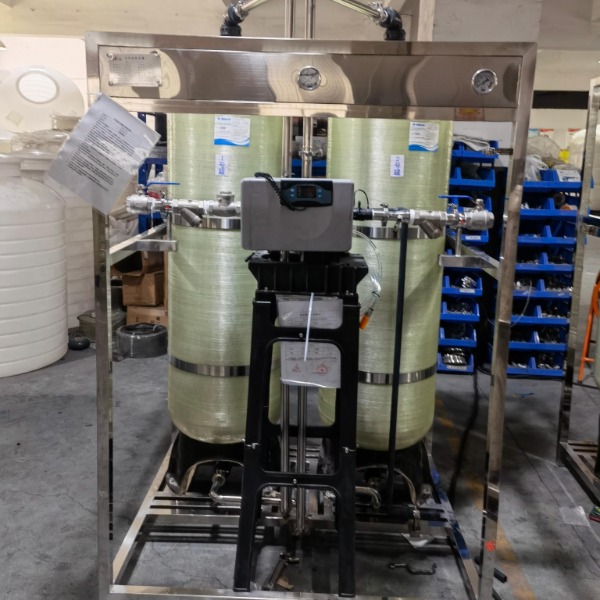

I serbatoi di filtro di ammorbidimento FRP (plastica rinforzata in fibra di vetro) si distinguono per la loro adattabilità e sono disponibili in un...
Vedi i dettagli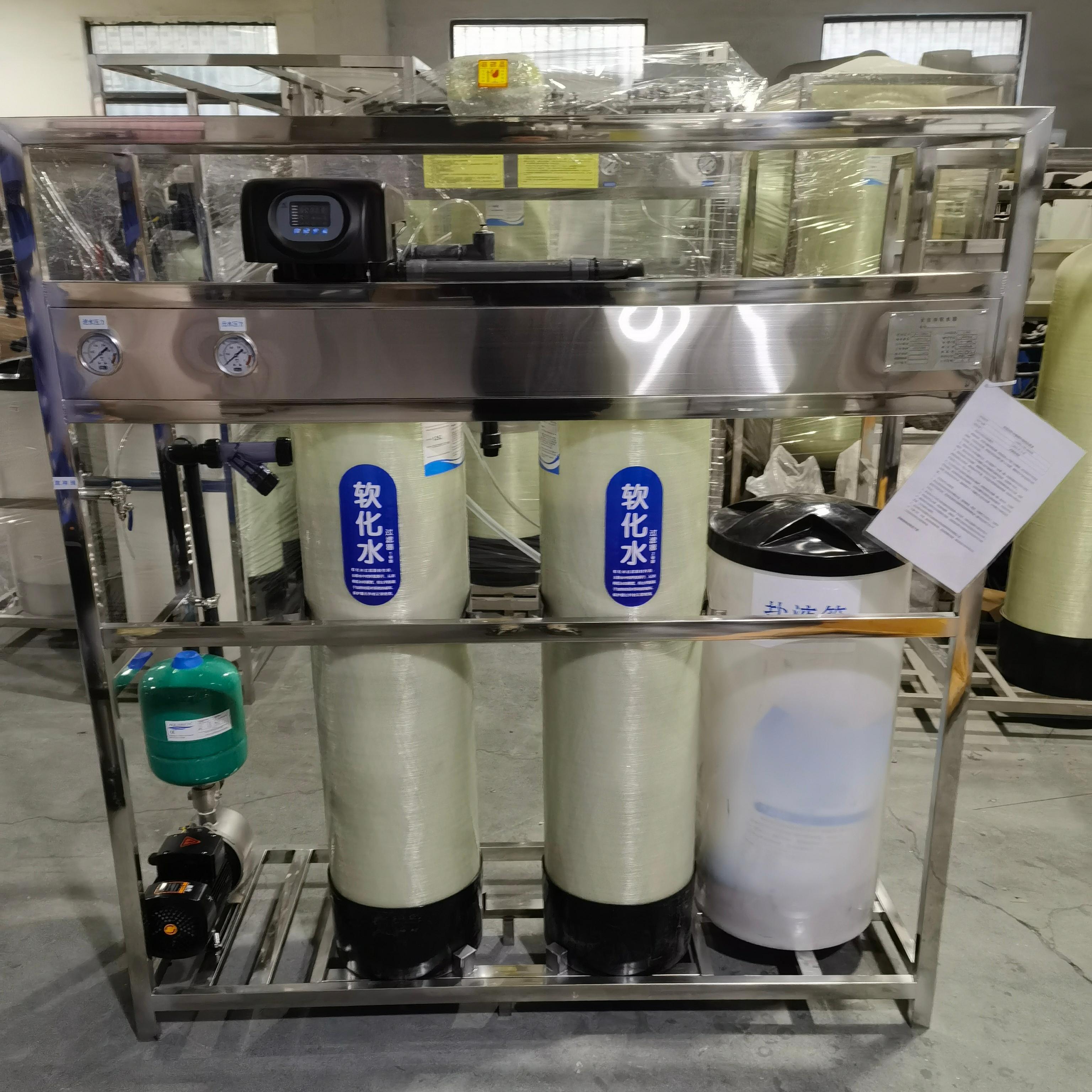
Serbatoio a doppio serbatoio a doppio serbatoio a due tonnellate a pressione costante a pressione costante, uno per l'uso e uno per standby è ...
Vedi i dettagli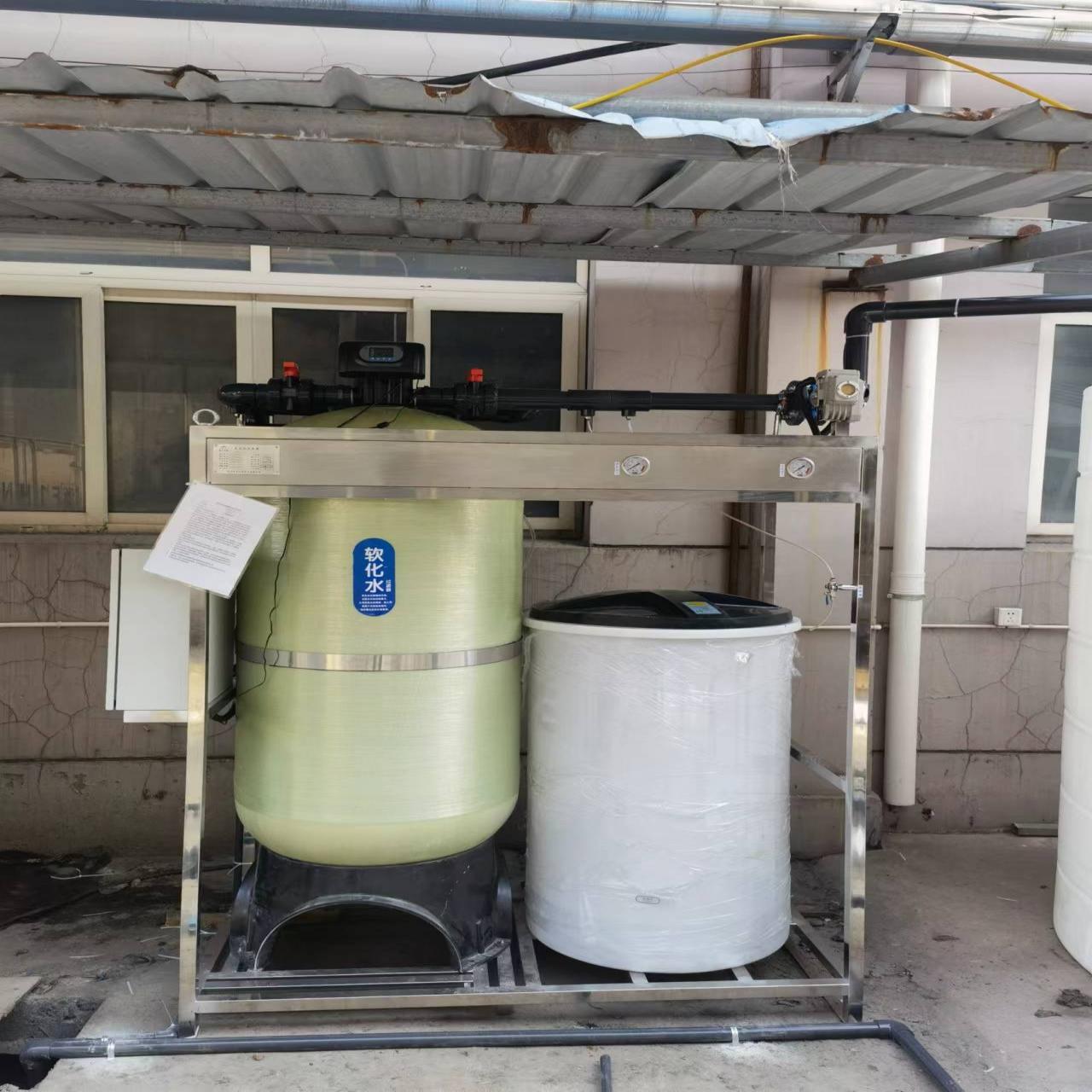
Questa apparecchiatura per il trattamento delle acque a serbatoio singolo da 10 tonnellate è dotata di una scatola di controllo elettrica ed è prog...
Vedi i dettagli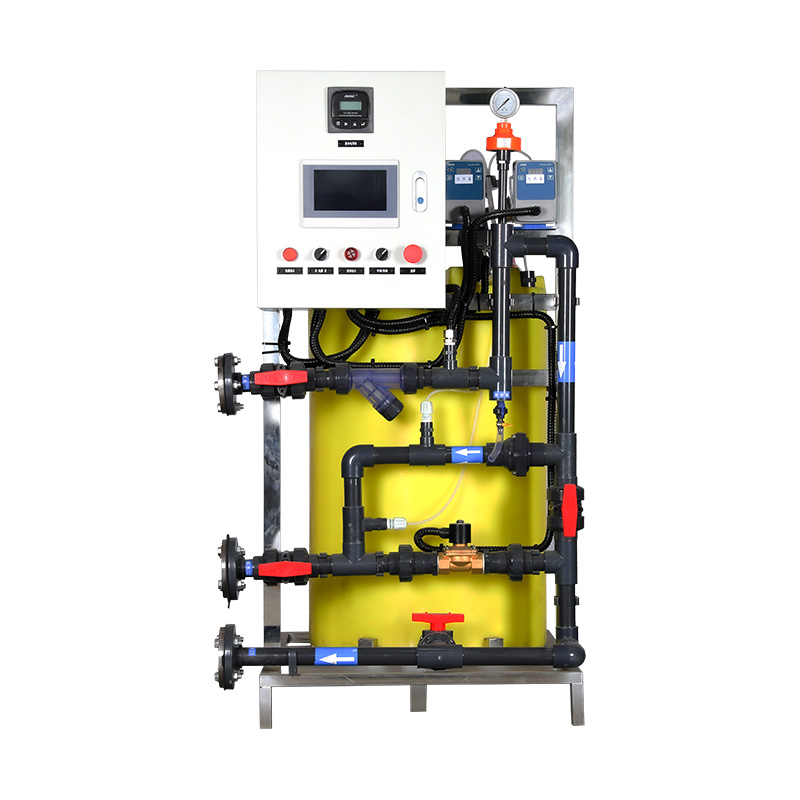
Il sistema di dosaggio è un dispositivo che integra dosaggio, agitazione, trasporto liquido e controllo automatico. Viene utilizzato principalmente...
Vedi i dettagli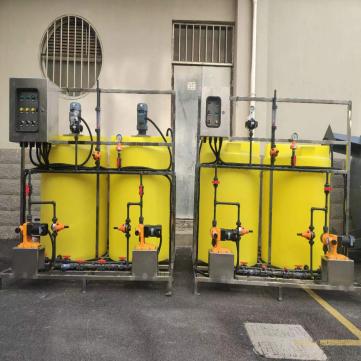
Il dispositivo di dosaggio PAM PAC è un dispositivo utilizzato per aggiungere automaticamente cloruro di polialuminium (PAC) e poliacrilammide (PAM...
Vedi i dettagli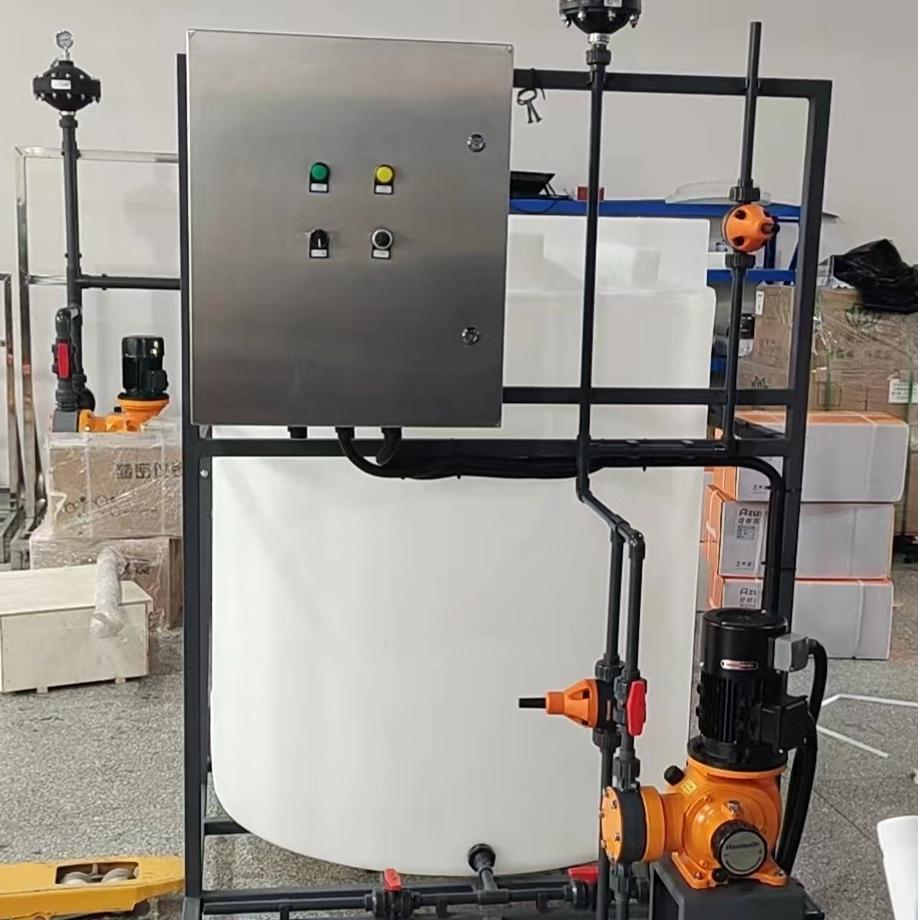
La singola pompa per la flocculazione è un dispositivo di dosaggio automatico utilizzato nel processo di trattamento delle acque. Viene utilizzato ...
Vedi i dettagli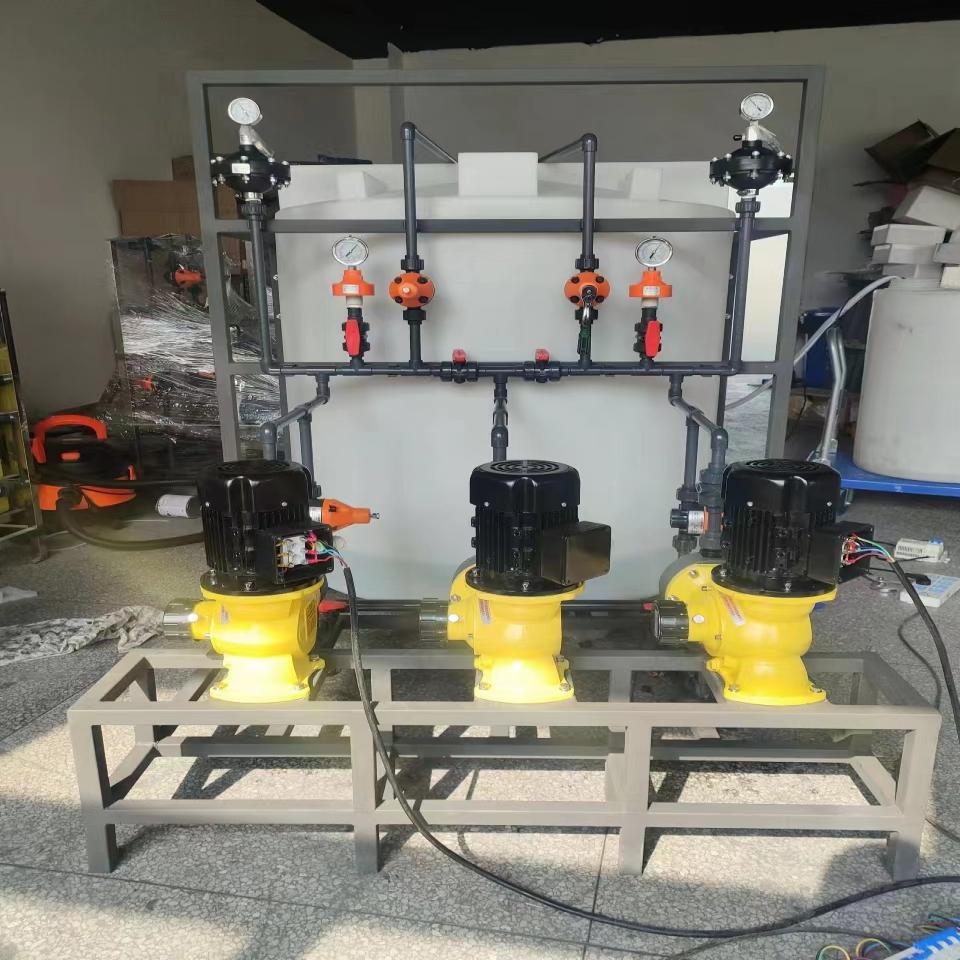
La sterilizzazione, la prevenzione della scala, il PAC, il PAM e altri dispositivi di dosaggio a doppia scoperta sono un equipaggiamento di trattam...
Vedi i dettagli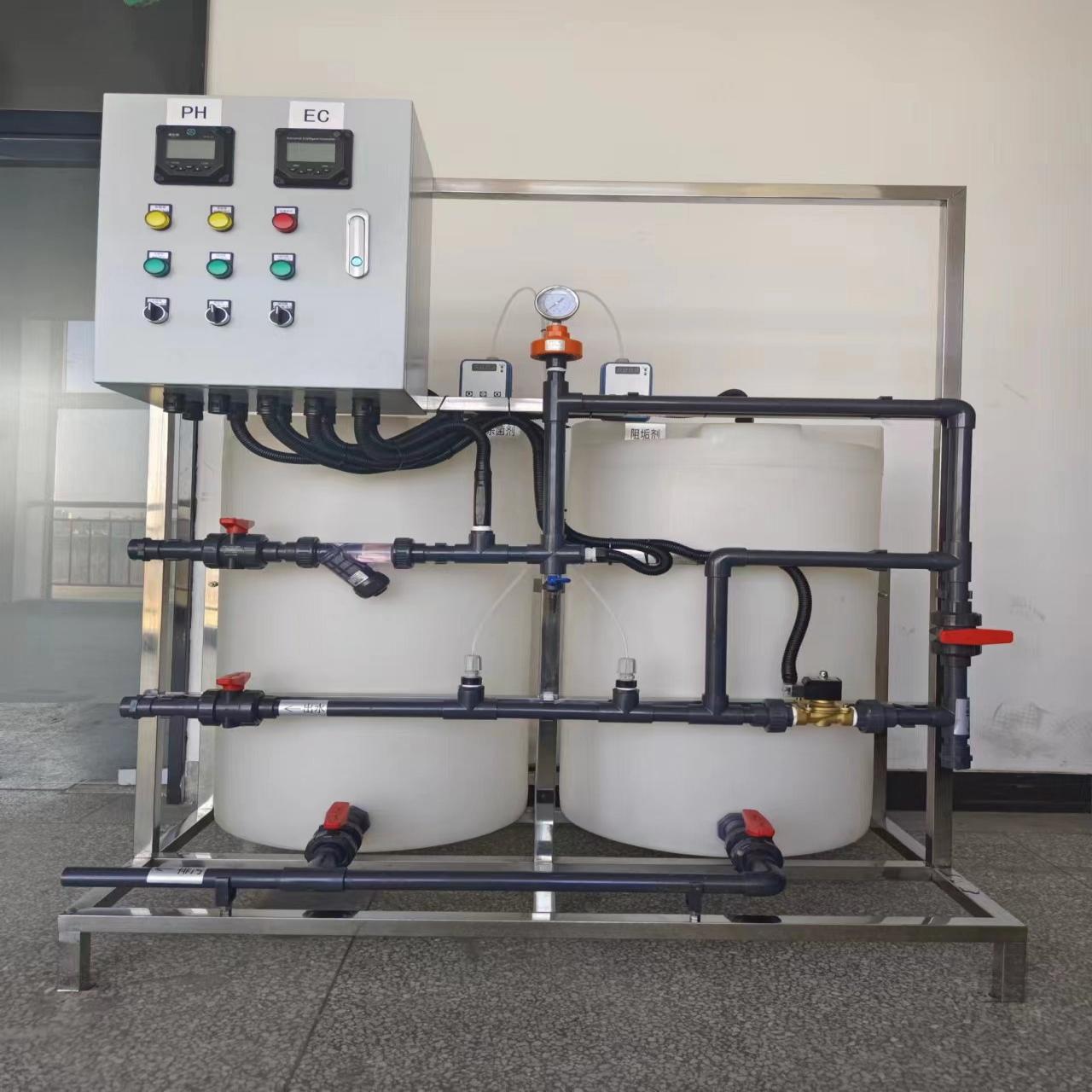
La prevenzione della scala e la sterilizzazione a doppia pompa a doppia canna che circola il dispositivo di dosaggio dell'acqua è un sistema d...
Vedi i dettagli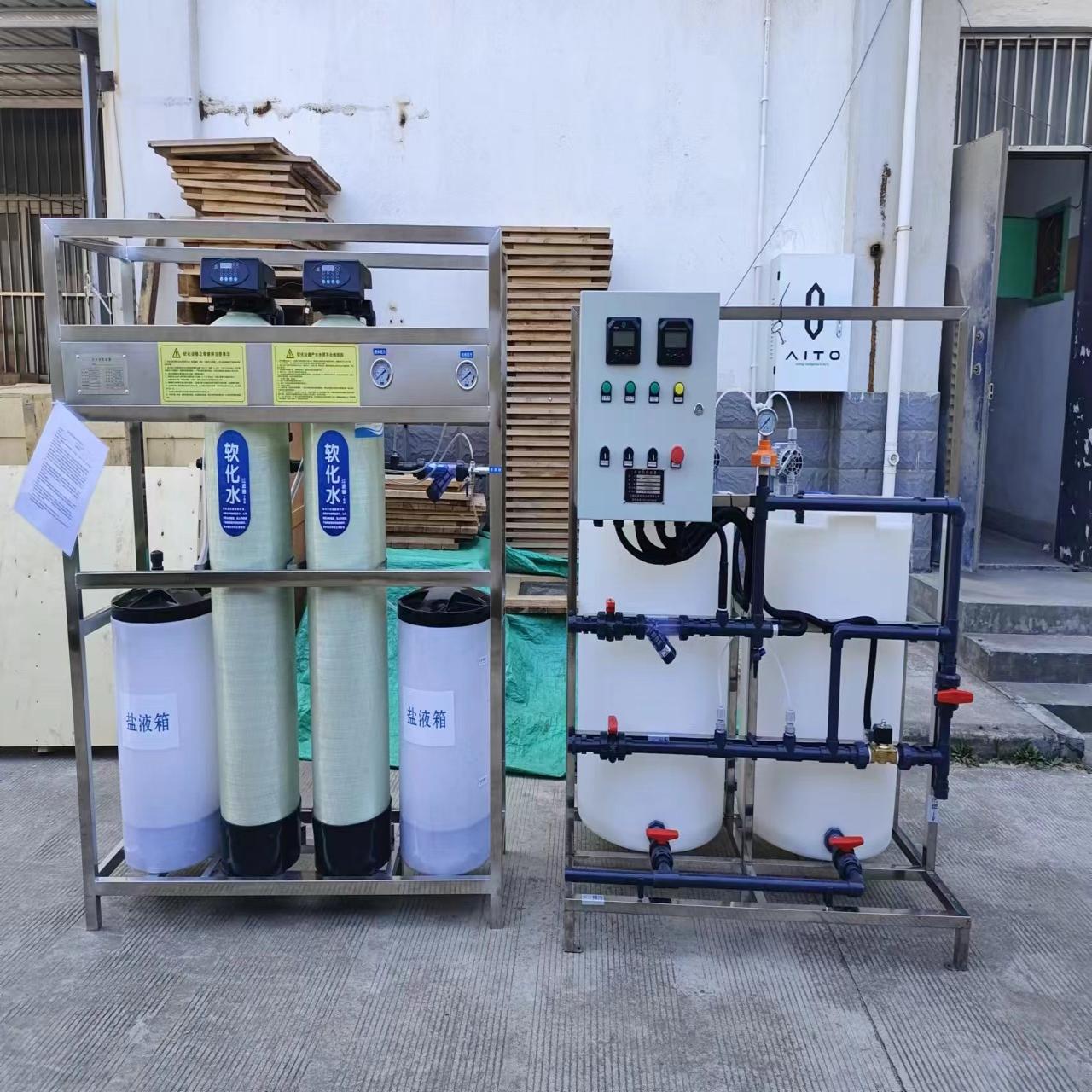
Il dispositivo di ammorbidimento, reimpostazione, sterilizzazione e dosaggio circolante è un'attrezzatura speciale per il trattamento delle ac...
Vedi i dettagli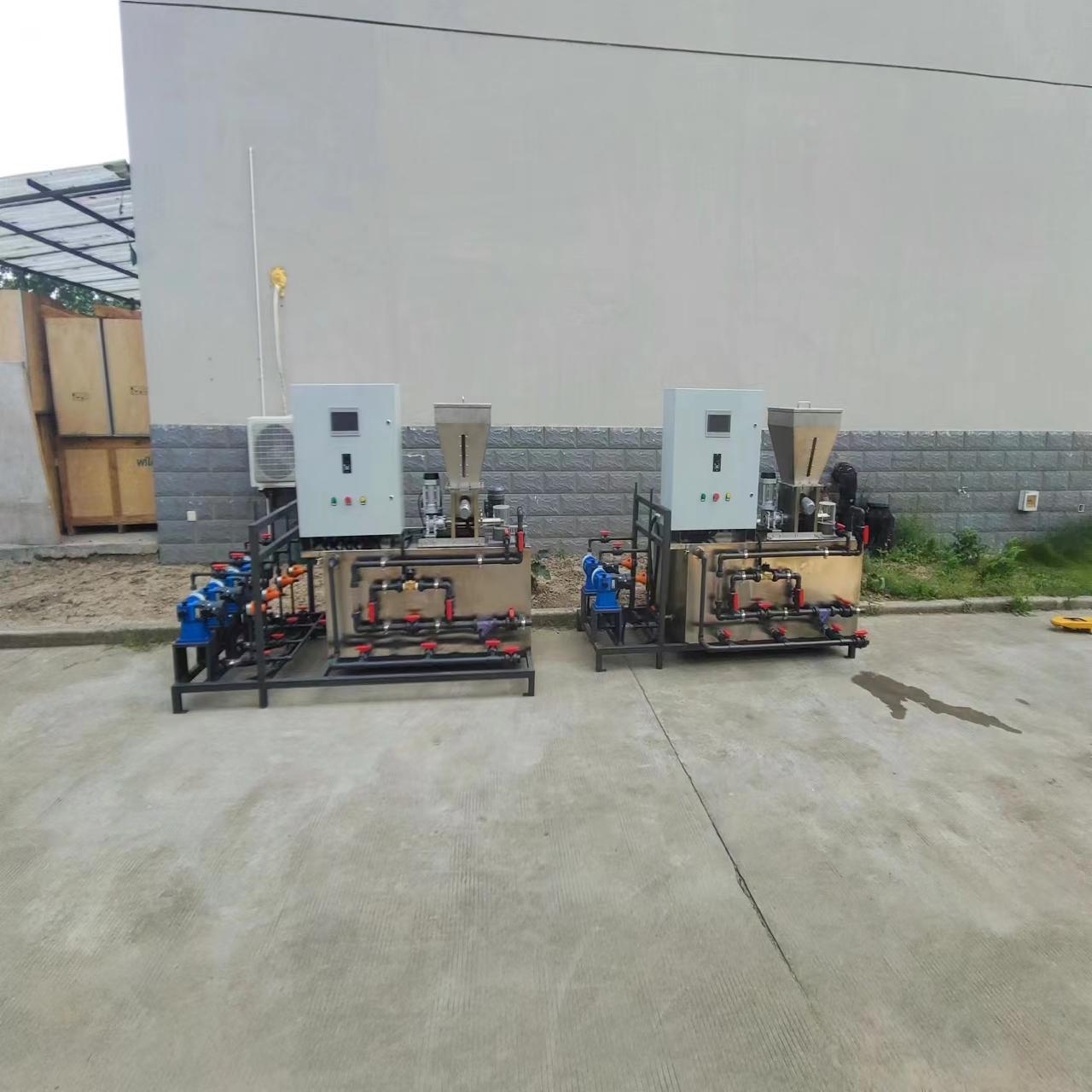
Il dispositivo di dosaggio PAM PAM integrato è un'apparecchiatura integrata di trattamento delle acque, che viene utilizzata appositamente per...
Vedi i dettagli
+86-13396595772
[email protected]
[email protected]
[email protected]
[email protected]
Room 508, Xingyuncheng, No.15 Xingling Street, Xingqiao Street, Linping District, Hangzhou City, Provincia di Zhejiang.
Copyright ©2024 Hangzhou Roushui Environmental Protection Technology Co., Ltd. Tutti i diritti riservati. Produttori di attrezzature per il trattamento delle acque civili industriali personalizzate produttori
